
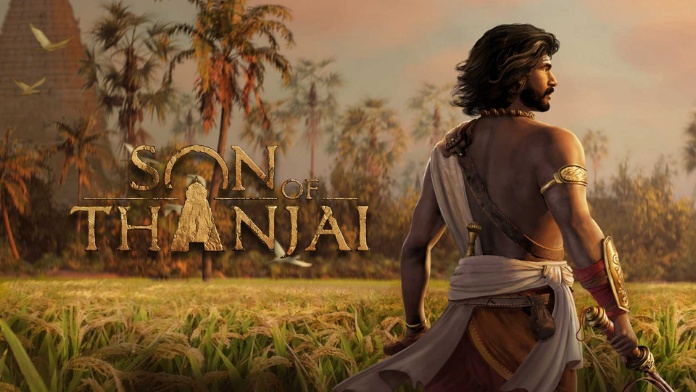
The Significance of Thanjavur
Thanjavur, often referred to as the cultural capital of Tamil Nadu, has a legacy that stretches back centuries. Known for its magnificent temples, classical arts, and literary contributions, the city represents the essence of Tamil civilization. A story centered around a son of this historic land naturally draws attention because it reflects the values and traditions that have shaped generations.
A Narrative Built on Tradition
One of the most compelling aspects of Son of Thanjai is its connection to tradition. Stories inspired by regional heritage often resonate deeply with audiences because they highlight the customs, beliefs, and social values that continue to influence modern life. This cultural foundation gives the narrative authenticity and emotional depth.
The Emotional Core of the Story
At its heart, Son of Thanjai is likely to explore themes of family, identity, and personal growth. Such themes are universally relatable and create strong emotional engagement. The journey of a character striving to honor their roots while facing contemporary challenges can inspire viewers and leave a lasting impact.
Representation of Tamil Culture
Tamil cinema has long celebrated stories that showcase regional pride and cultural richness. Son of Thanjai continues this tradition by bringing attention to the heritage of Thanjavur. Through its characters, settings, and storytelling, the narrative has the potential to introduce audiences to the beauty and significance of Tamil culture.
Strong Character Development
A memorable story often depends on well-developed characters, and Son of Thanjai has the potential to deliver compelling personalities. Characters who embody resilience, determination, and respect for tradition can create meaningful connections with audiences. Their personal journeys become a reflection of larger cultural and social themes.
Visual Appeal and Authentic Settings
Stories associated with Thanjavur often benefit from visually stunning backdrops. The region’s temples, landscapes, and architectural marvels provide a rich canvas for storytelling. Authentic settings not only enhance the visual experience but also strengthen the connection between the audience and the cultural environment being portrayed.
Themes of Pride and Responsibility
Being identified as a son of a historic land carries both pride and responsibility. This theme can serve as a powerful driving force within the narrative. The protagonist’s efforts to uphold family values, preserve traditions, or contribute to society can create an inspiring and meaningful storyline.
Audience Expectations
Modern audiences appreciate stories that balance entertainment with substance. Son of Thanjai has the potential to meet these expectations by combining emotional storytelling, cultural relevance, and engaging character arcs. Such a blend can attract viewers from different age groups and backgrounds.
Impact on Tamil Cinema
Films and stories that celebrate regional identity often leave a lasting mark on Tamil cinema. They remind audiences of the importance of preserving cultural heritage while adapting to changing times. Son of Thanjai can contribute to this legacy by offering a narrative that is both entertaining and culturally significant.
Conclusion
Son of Thanjai represents more than just a title; it symbolizes heritage, pride, and the enduring spirit of Tamil culture. By drawing inspiration from the historic city of Thanjavur, the story has the potential to connect deeply with audiences and celebrate the values that define Tamil identity. Its blend of tradition, emotion, and cultural richness makes it a subject of great interest for cinema lovers and cultural enthusiasts alike.